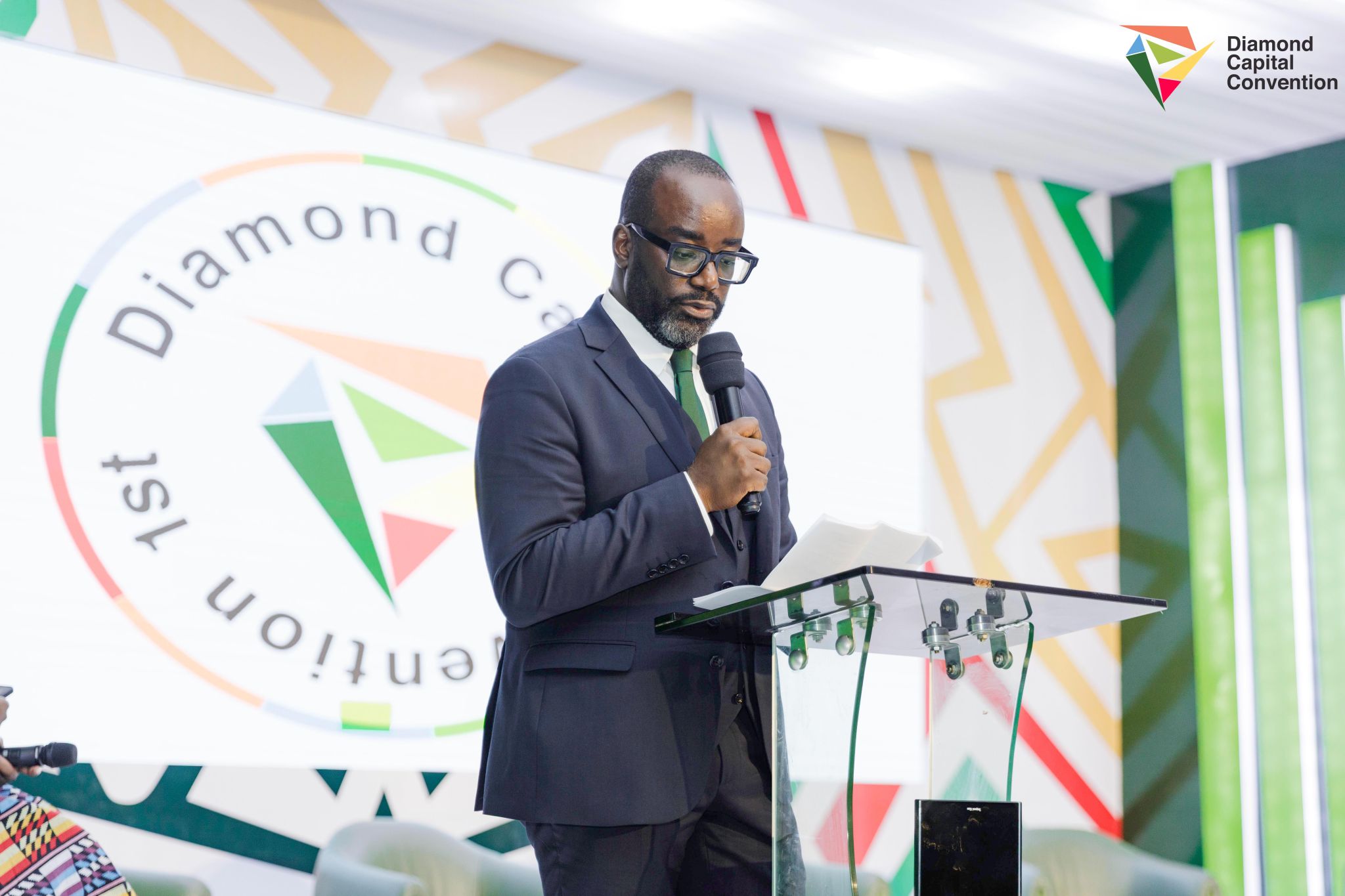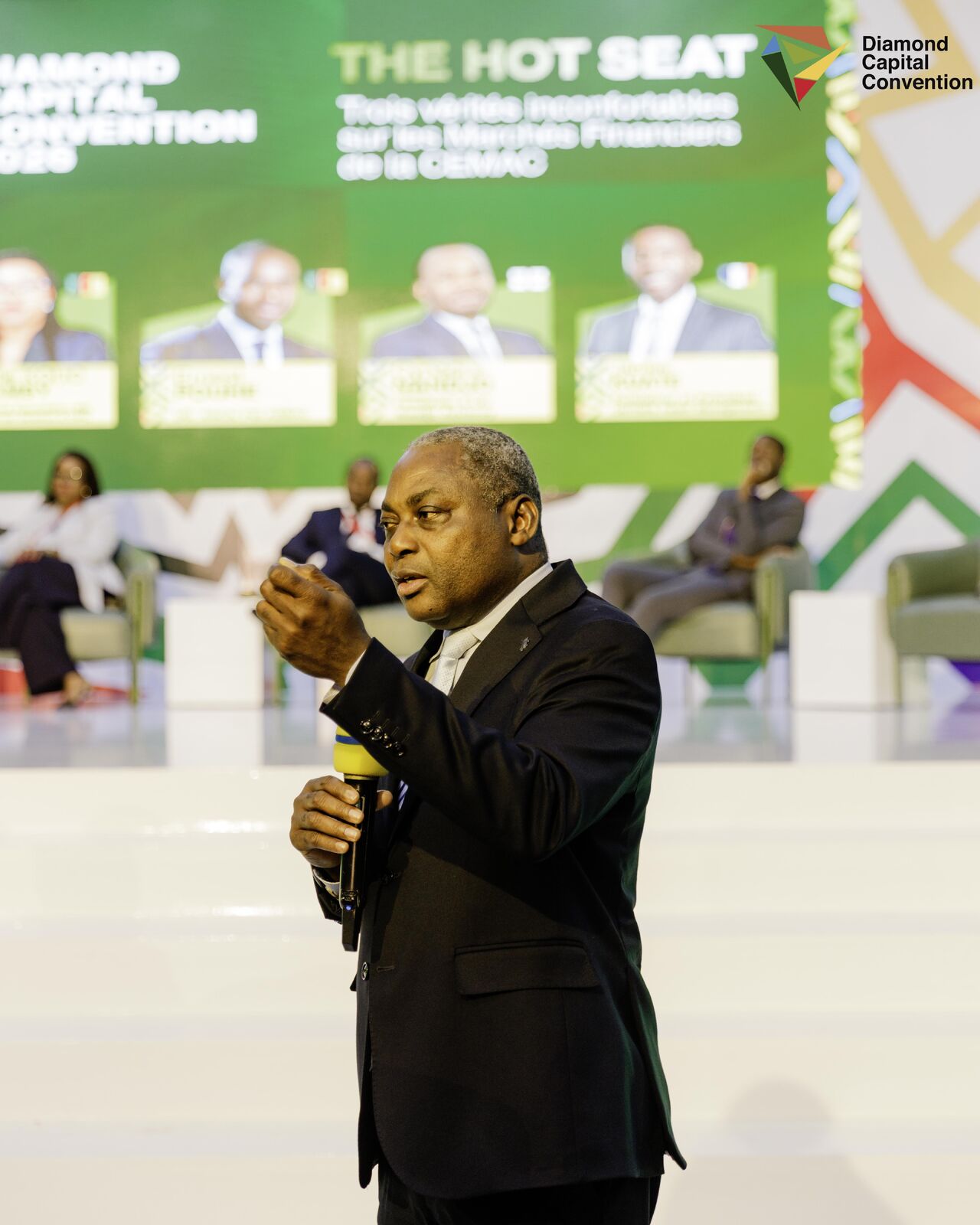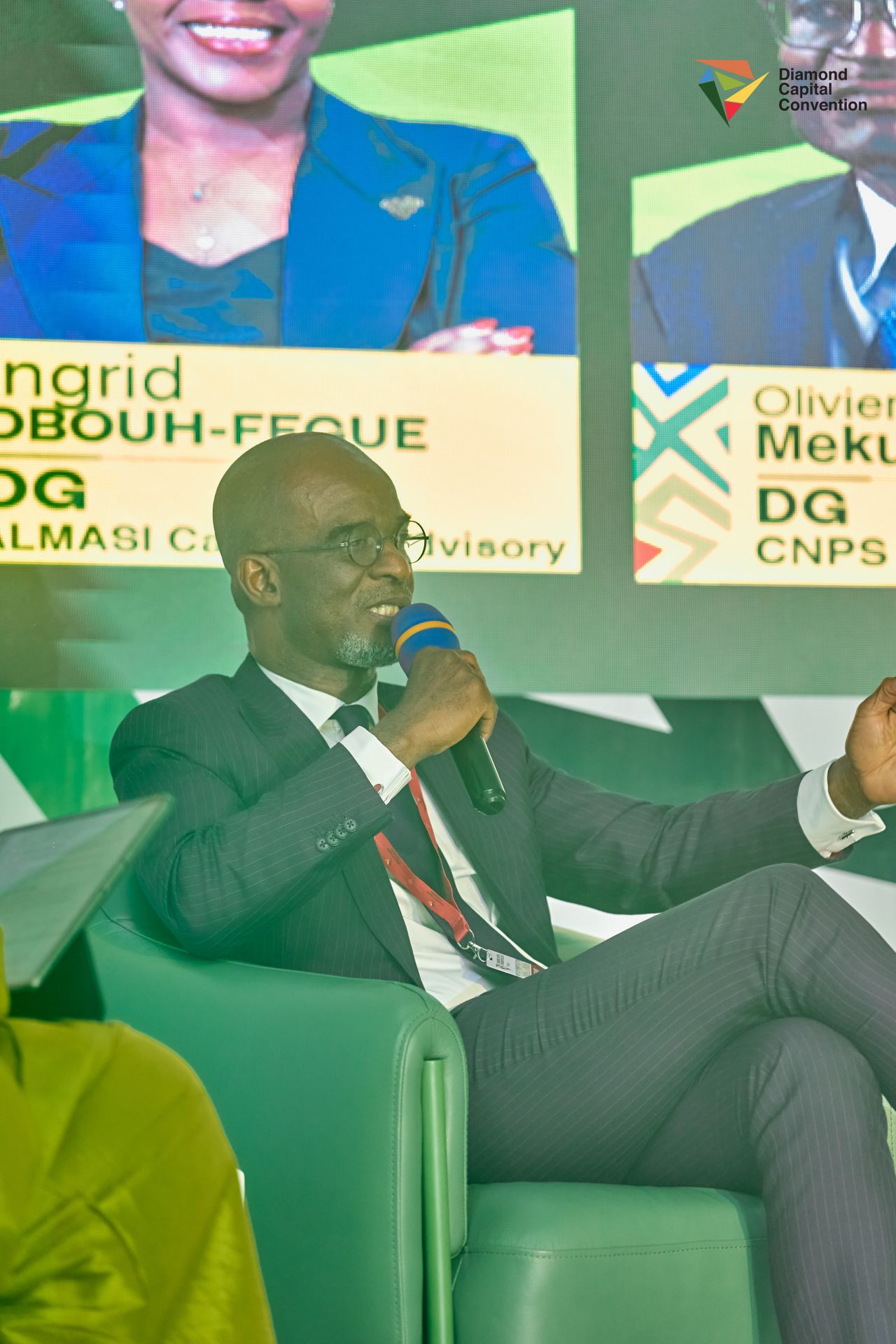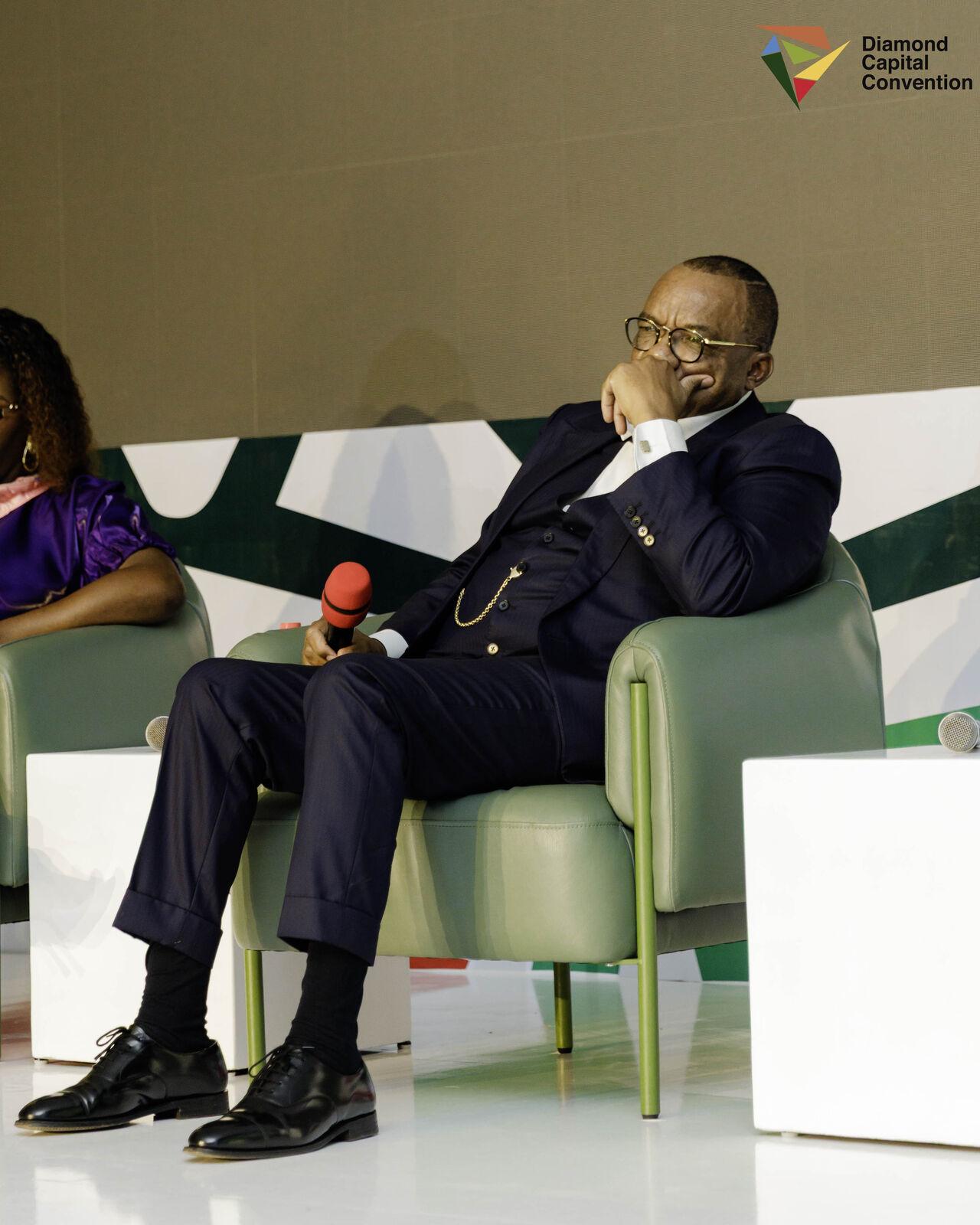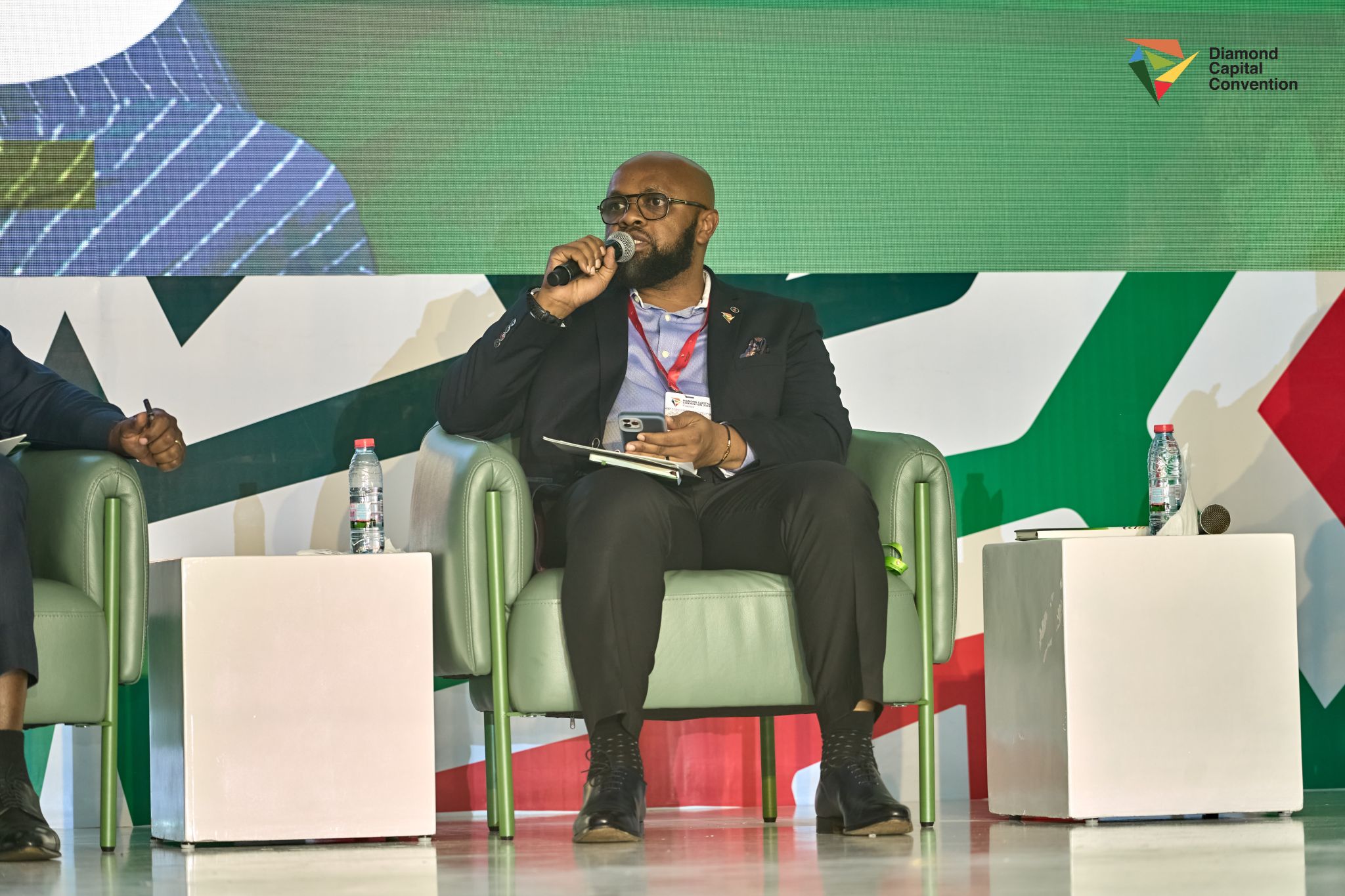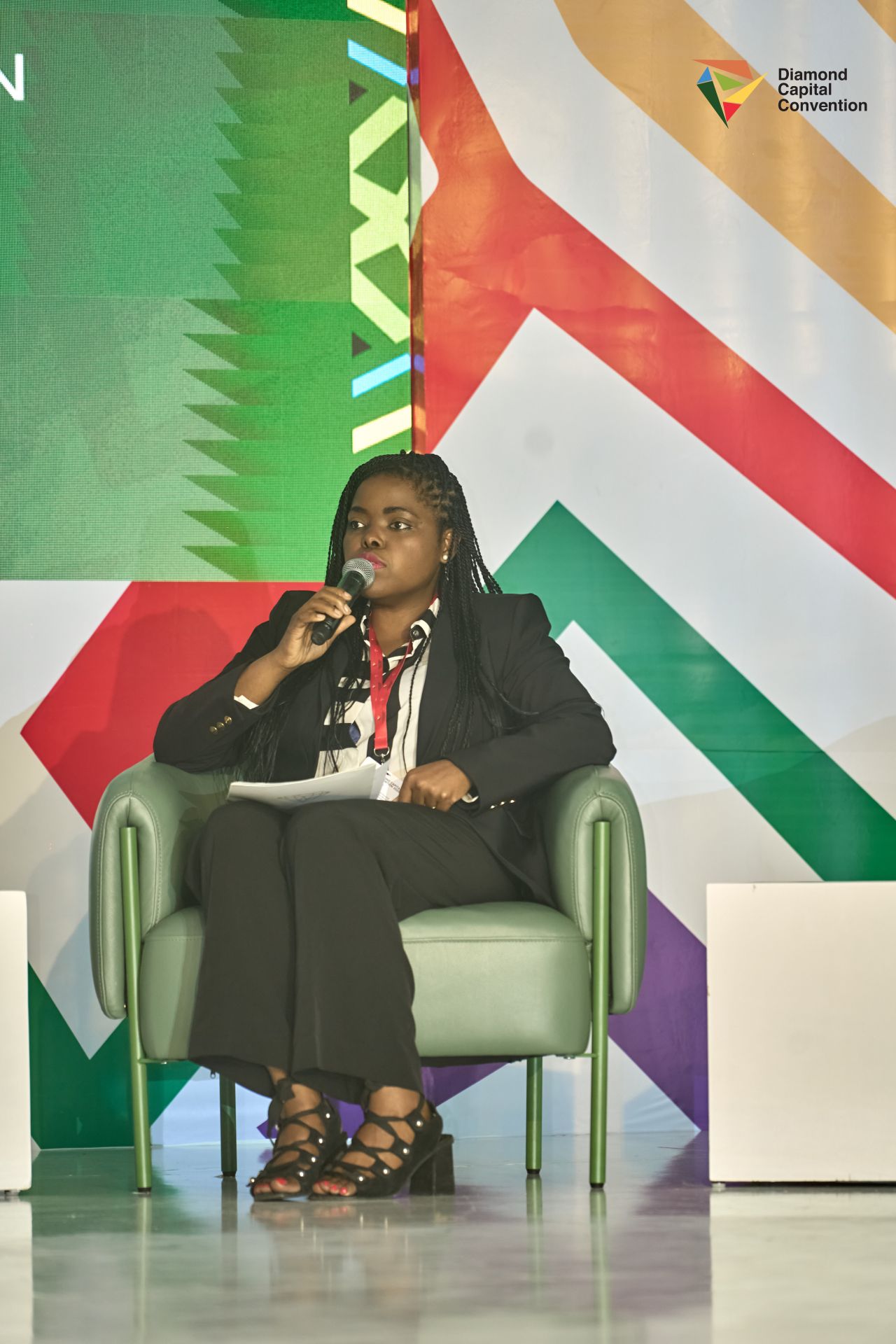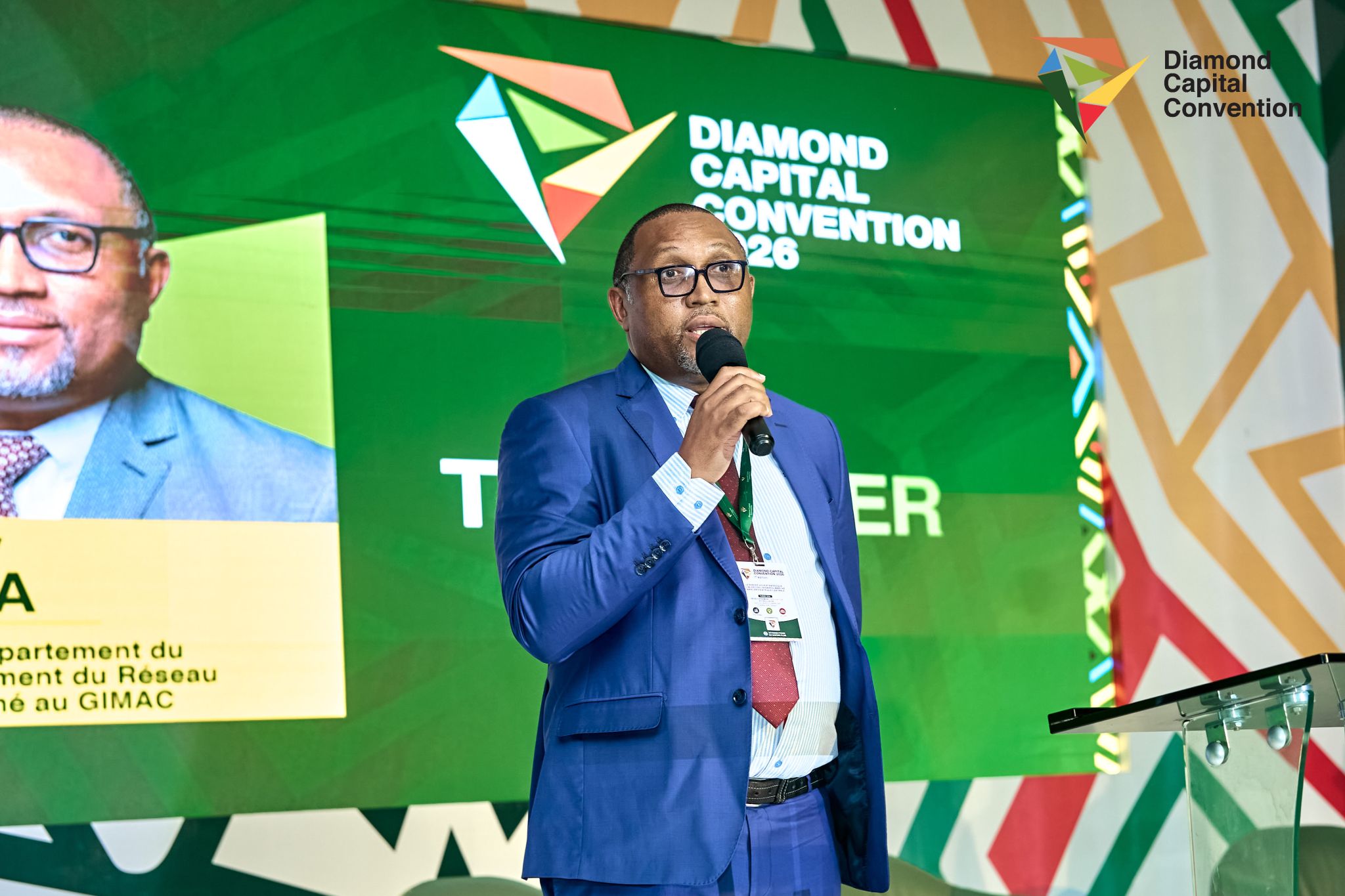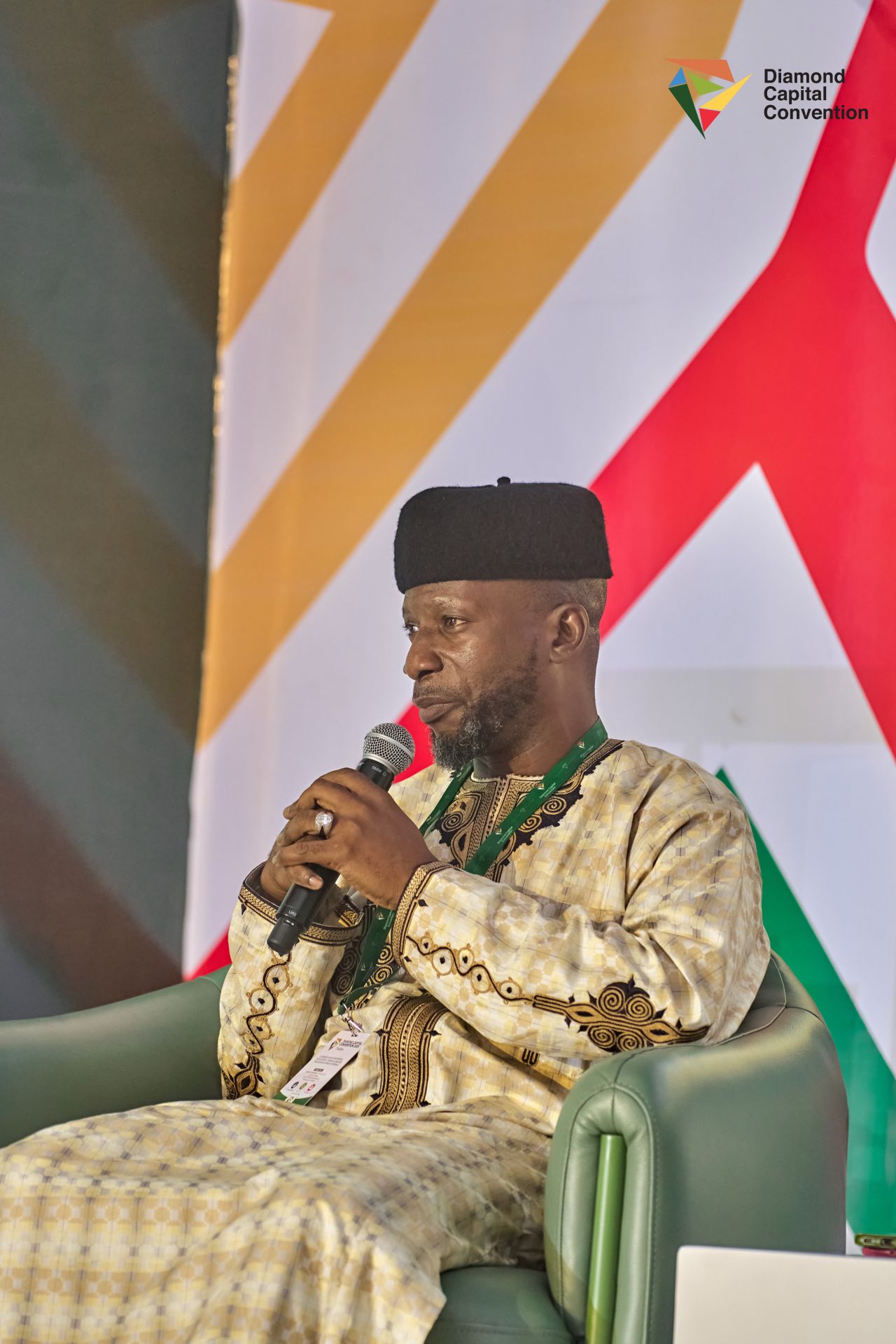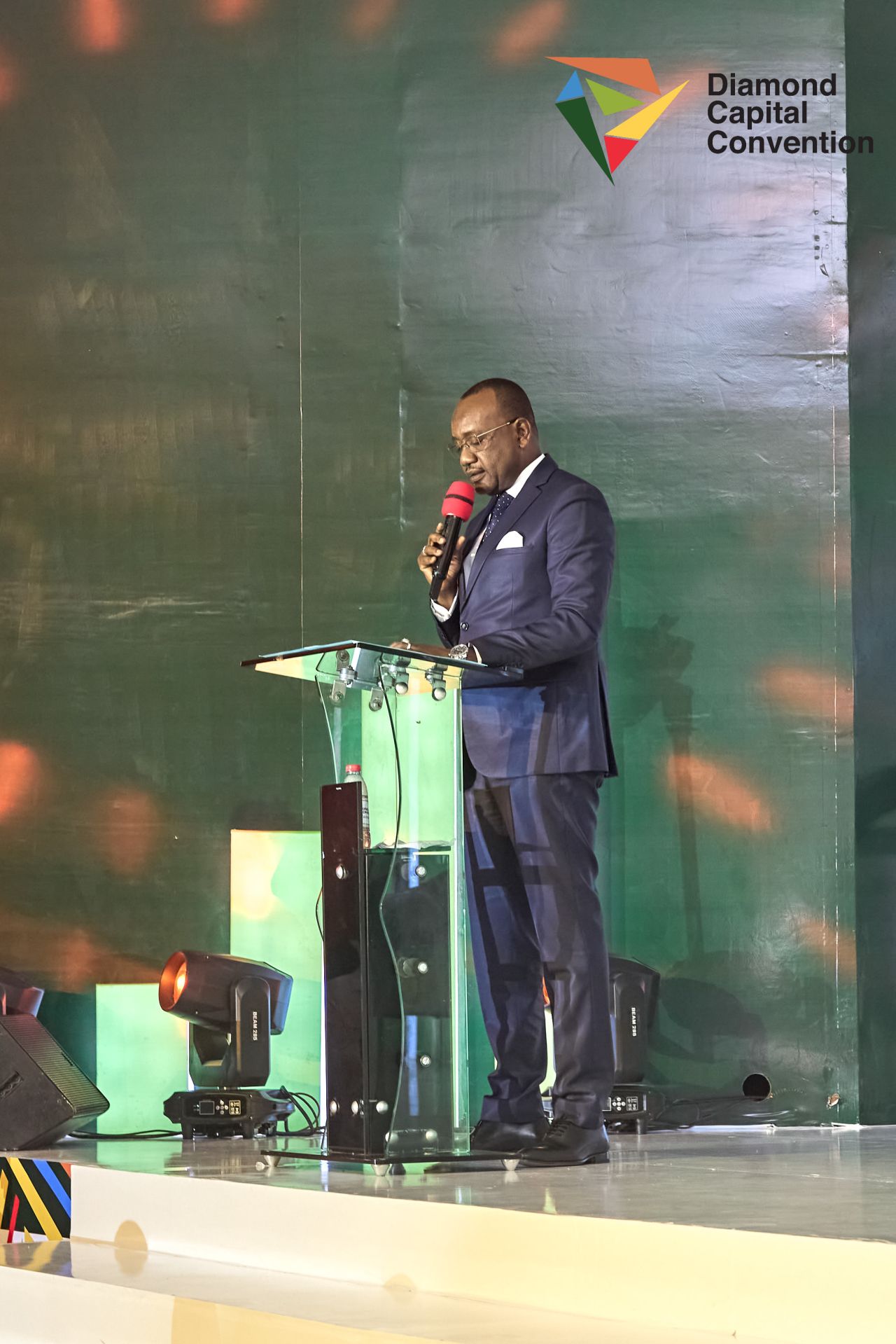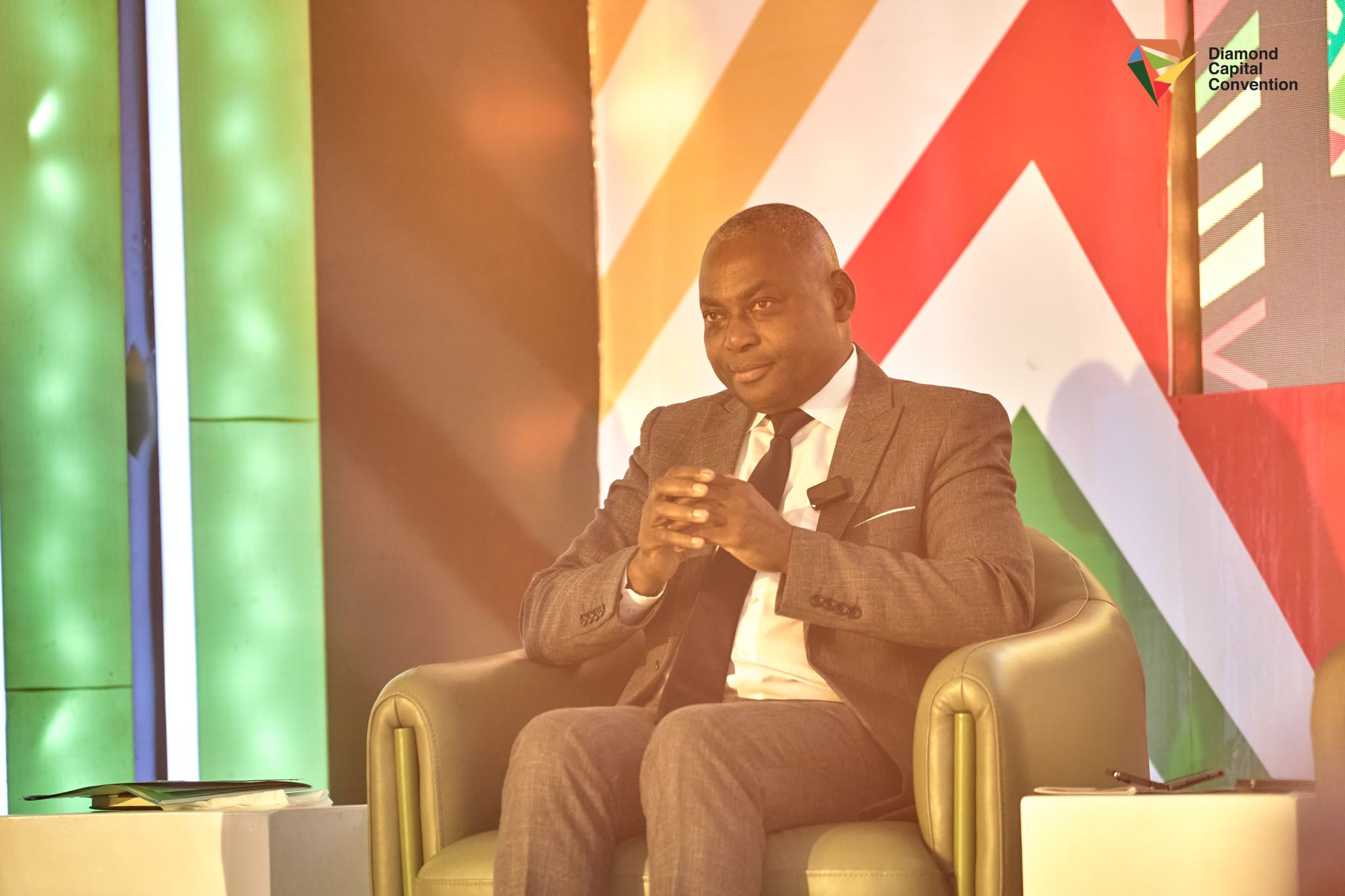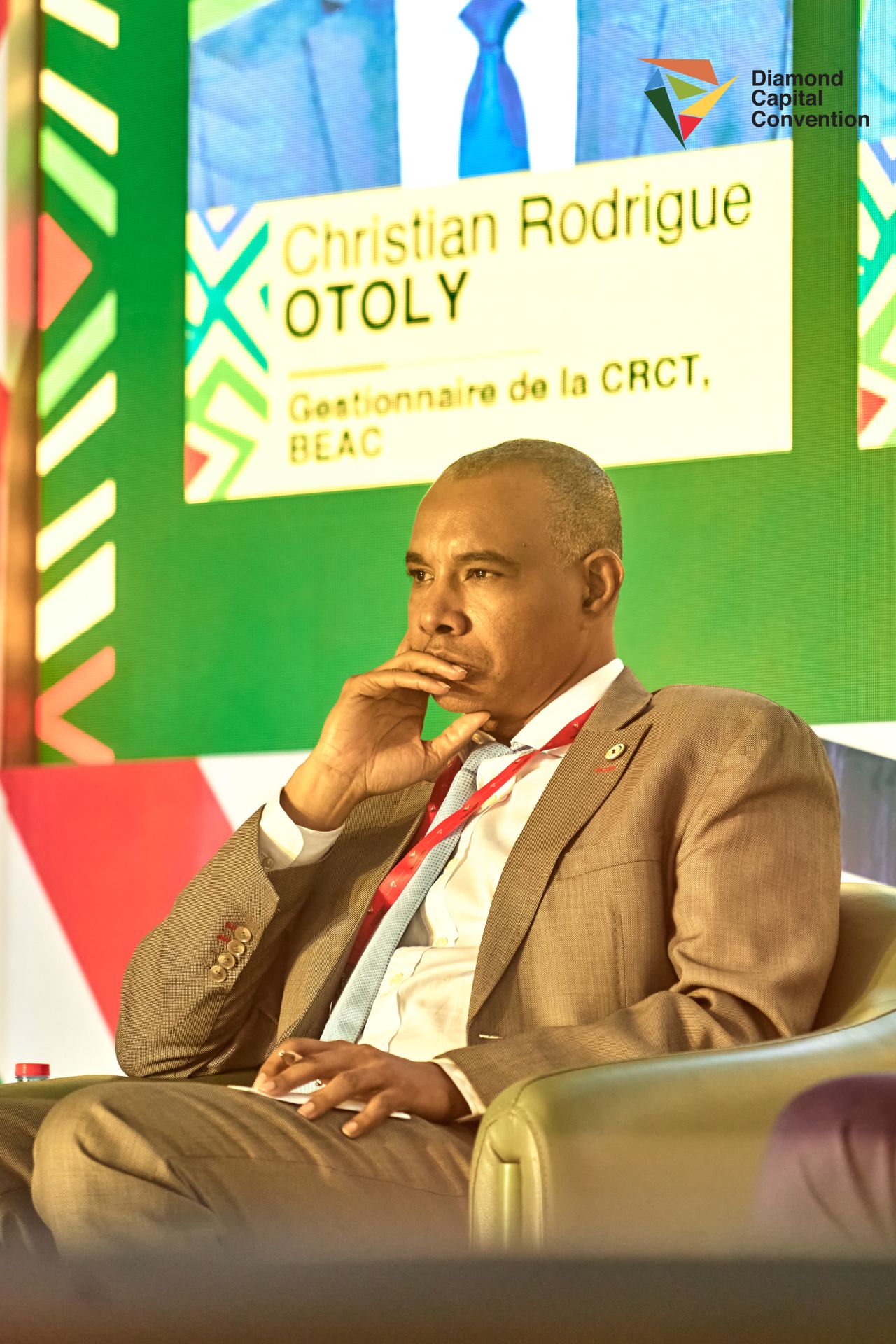
At the halfway point, the first Diamond Capital Convention confirms the public’s interest in the financial market and aims for a lasting impact on finance in Central Africa.
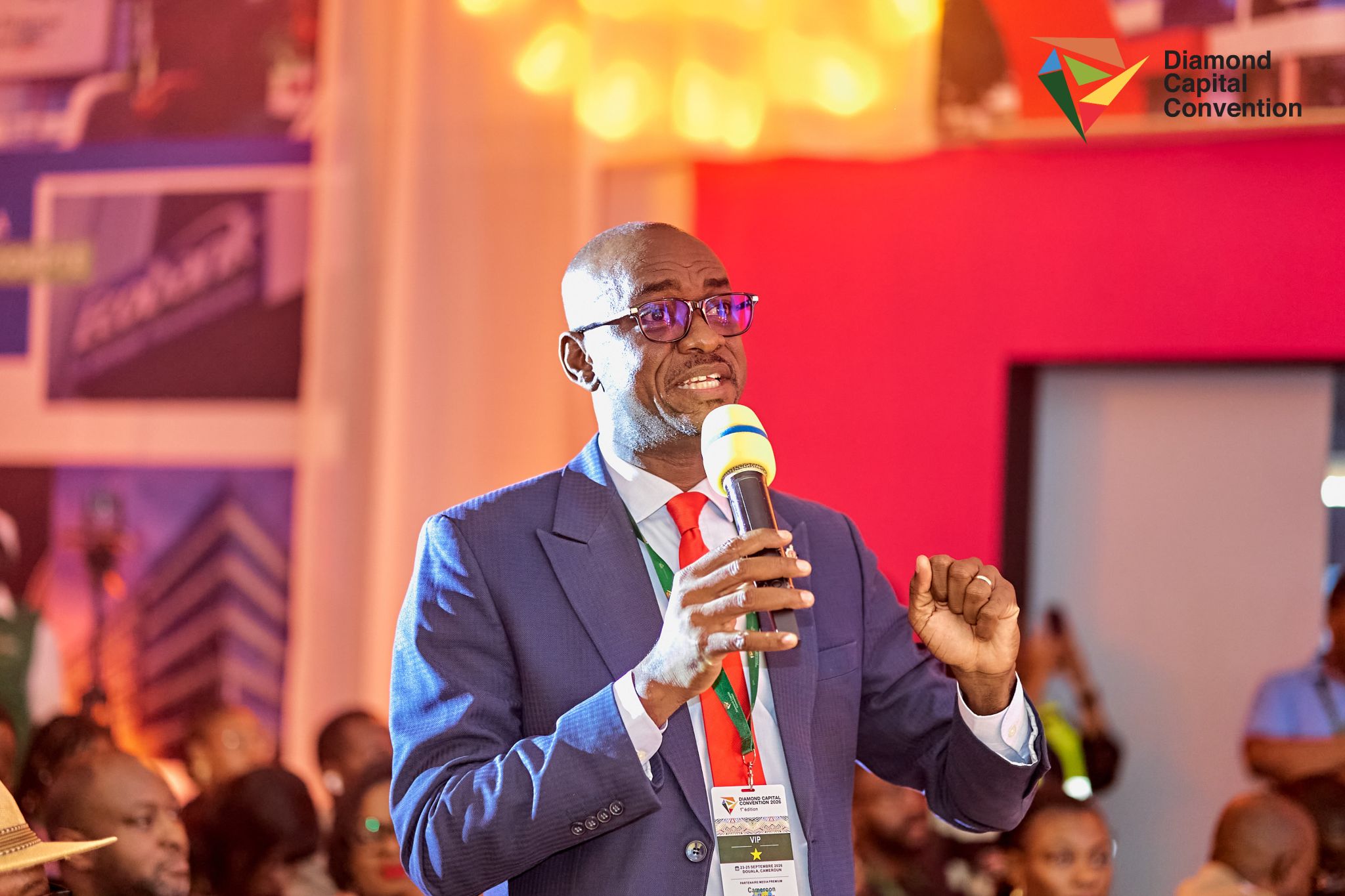
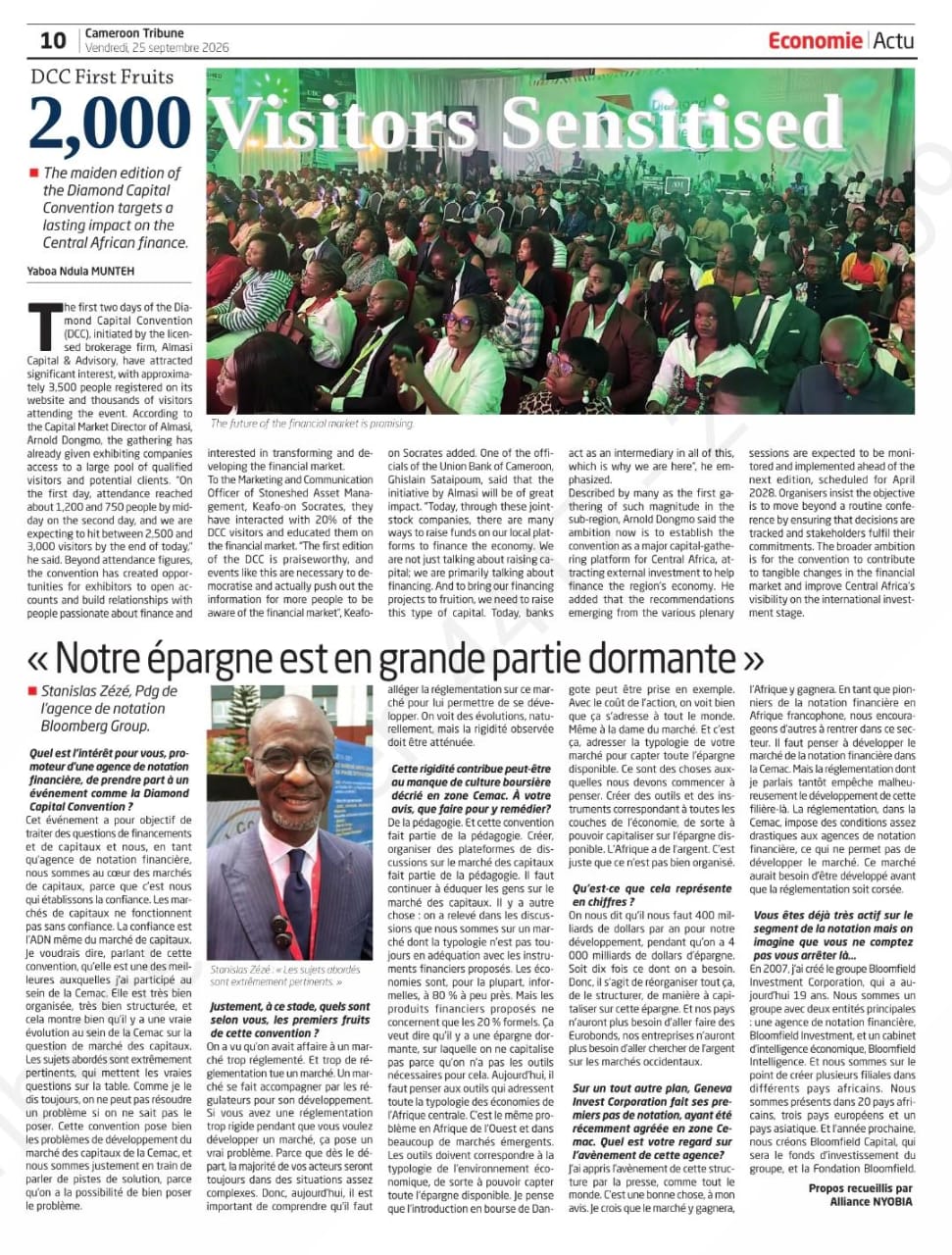
The first two days of the Diamond Capital Convention (DCC), launched by brokerage firm Almasi Capital & Advisory, attracted a large turnout, with around 3,500 people registering at the event’s website, and thousands of visitors filling the aisles. According to Arnold Dongmo, Almasi’s Head of Capital Markets, the first day welcomed nearly 1,200 attendees. By midday on the second day, there were already around 750, and organizers were expecting 2,500 to 3,000 visitors by the end of the day.
This attendance benefited the exhibitors, who were able to present their offers to a large qualified audience, open new accounts and build relationships with people who are passionate about finance. A representative of Stoneshed Asset Management said that his structure had exchanged with about 20% of visitors interested in the financial market. He believes that this type of meeting is necessary to democratize the stock market and better inform the general public, while an executive from Union Bank of Cameroon recalls the interest, for listed companies, to raise funds on local platforms.
“Our savings are largely dormant”
In the interview that accompanies the article, Stanislas Zézé, Chairman and CEO of the rating agency Bloomberg Group, considers the convention to be well organized and very relevant. According to him, trust is at the heart of capital markets. He advocates for more education and for rules that support the development of the market rather than slow it down. He also points out that most African savings remain untapped, due to a lack of tools adapted to a largely informal economy, and calls for better structuring of these resources to finance development.